

Tayrona National Natural Park
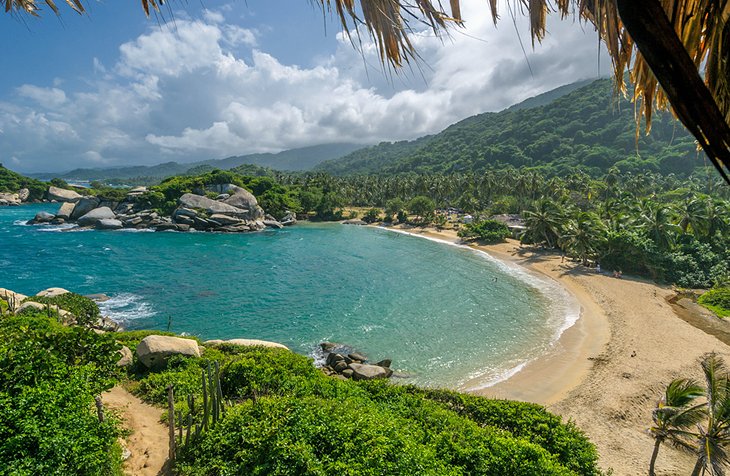
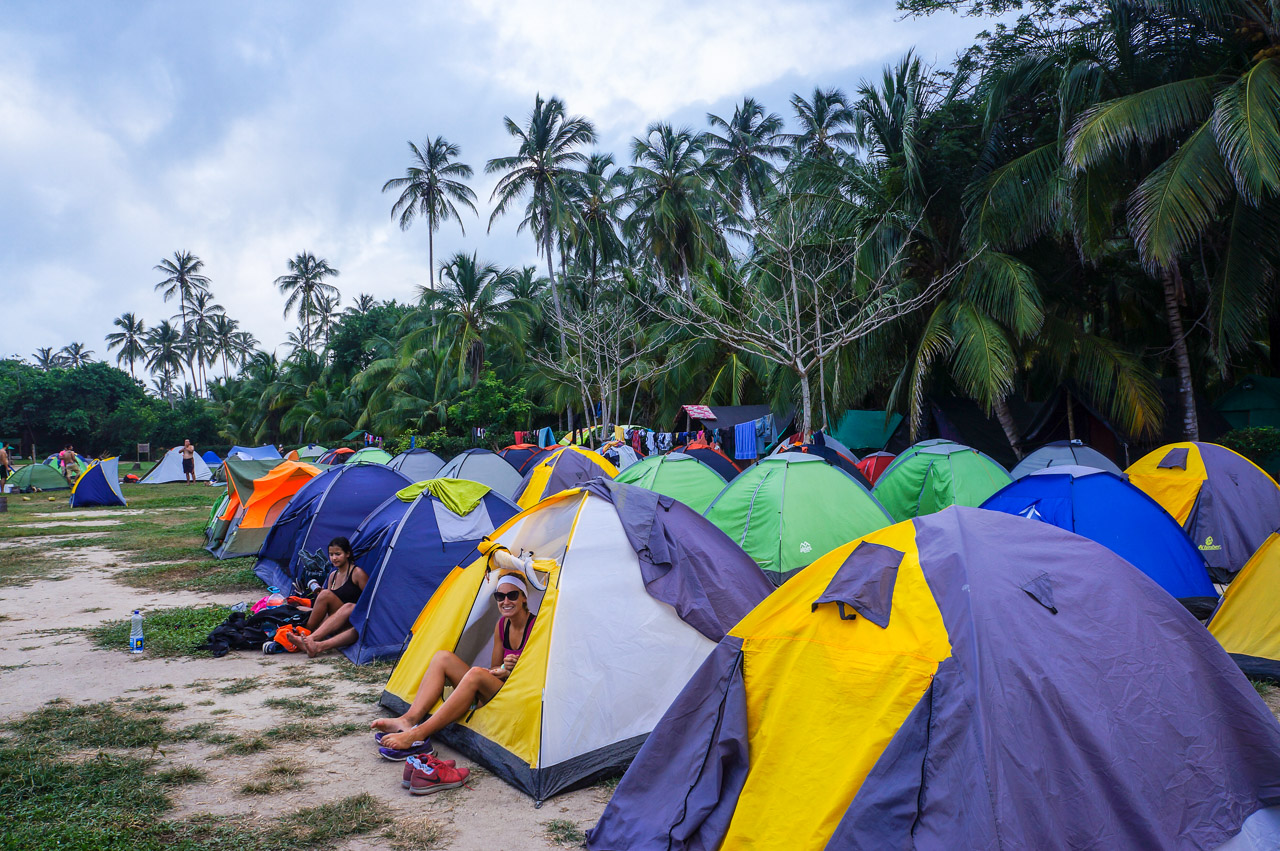
The country of Colombia is mostly known for it’s notorious drug cartel Pablo Escobar. However, you’ll find some of the best beaches in Colombia within the protected Tayrona National Natural Park, which is known for its palm-shaded coves and crystal-clear coastal lagoons. Most beaches are set against the mountains of the Sierra Nevada de Santa Marta, whose hills make for a great side trip on any beach vacation. Tayrona is also a fantastic place for snorkeling at protected areas near La Piscina beach and Cabo San Juan. Though remote, these secluded beaches aren’t exactly a secret, so it’s best to visit in low season (February to November) to avoid the massive crowds. Also, unless you’re paying for the lavish Ecohabs Tayrona, be prepared to sleep in a tent (or hammock) at one of the many beach side campgrounds. The National Park is a must-see place for travelers who enjoy nature and exploring old ruins. Located on the north Colombia coast, the park offers a variety of ecosystems, from swamps to scrub lands to cloud forests.

Medellin

Bogotá might be the Colombian capital, but it’s the smaller and more manageable city of Medellin that tends to capture the hearts of visitors. Medellin was dubbed the most dangerous city in the world in the early 1990s, but a quarter of a century later, it has earned a reputation for something entirely different: innovation. The city boasts cable cars linking the settlements in its hills to a modern metro system in the valley below, a greenbelt of lush “eco parks,” and striking libraries and community centers in some of the poorest neighborhoods.
Today, Medellin is a buzzing, artsy university town that boasts the likes of the fascinating Museum of Antioquia and the restored homes of countless Colombian writers and artists. Public art displays adorn many a street corner, popping up in metallic canopies above the town’s Botanical Gardens, or with curious carvings on the plazas (Medellin isn’t called the ‘City of Sculptures’ for nothing!). The rugged ridges of the Aburra Valley can also be reached by cable car from the town – great for sunset viewing!


Bogota

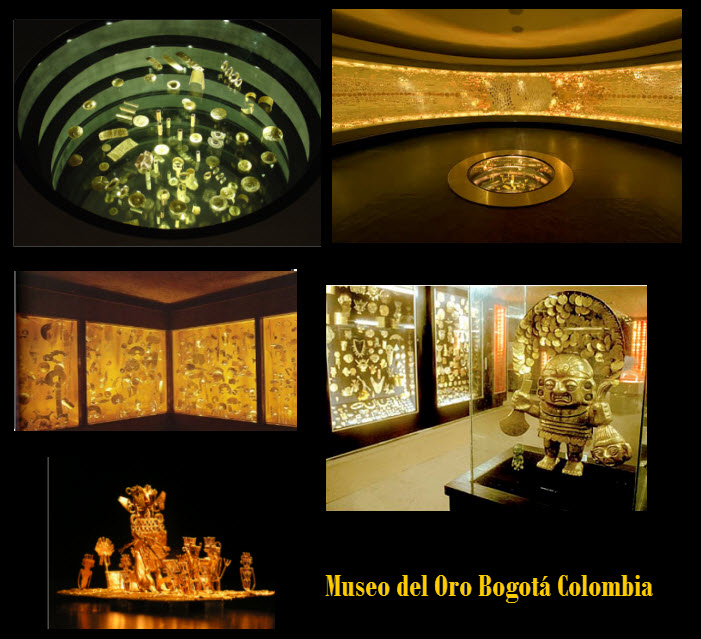
Bogota, sometimes referred to as “the Athens of South America”, was first settled by indigenous peoples, though the founding date is generally set at 1538 by a Spanish explorer. Today, the city is one of the largest cities in South America and Colombia’s capital. Once considered a place to avoid, Bogota has cleaned up its act and is fast becoming one of the best places to visit in Colombia. Located at 2,640 meters (8,660 feet) in the Andes, Bogota has numerous attractions to entice visitors, including a planetarium, gold museum, botanical gardens, cultural events and a thriving nightlife. The city’s historic district can be found at La Candelaria, a pleasant quarter of cafes, churches and museums. You’ll also find the impressive buildings lining Plaza de Bolívar and see the cultural attractions like the blindingly bright Museum of Gold.

The Lost City
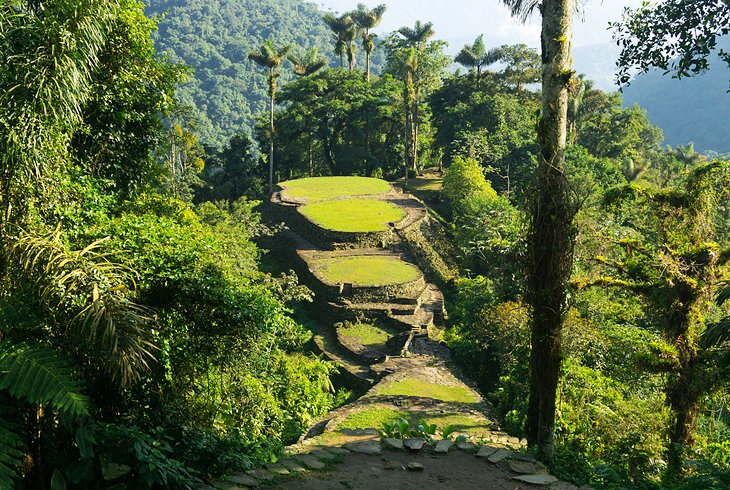
Colombia’s most popular hike is undoubtedly the four-day, 44-kilometer trek to Ciudad Perdida, a lost city hidden deep in the Sierra Nevada de Santa Marta mountains that was only rediscovered in the 1970s. Built and occupied by Tayrona Indians between the 8th and 14th centuries, this ancient city is said to be one of the largest pre-Columbian settlements discovered in the Americas. Much of the site remains buried beneath a thick jungle quilt – the modern indigenous inhabitants of the area have banned excavations – but you’ll find that the stone terraces and stairways are in outstanding shape. It’s not possible to visit this site alone, so you’ll need to book a tour from Santa Marta in advance.


Cali
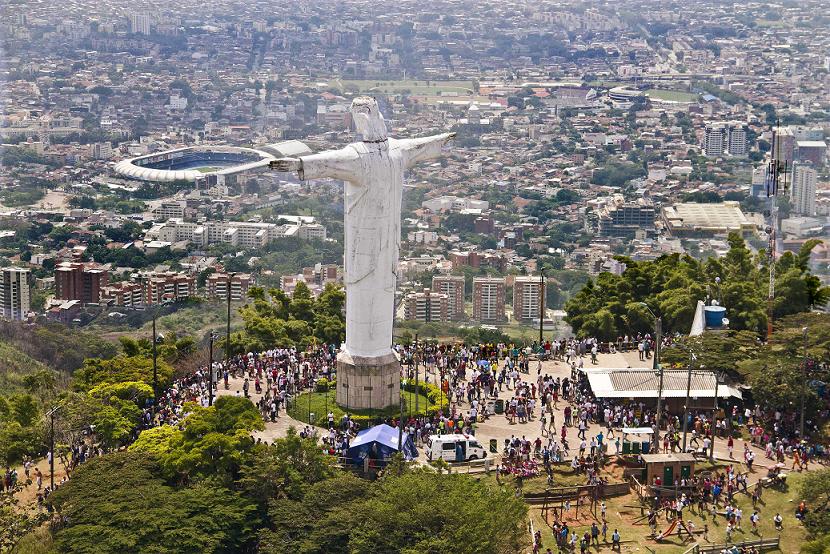
The city of Cali offers many sights and attractions to visit during daylight hours, but the excitement doesn’t end there. I stayed at my aunts house for the time i was there and thanks to the warm inhabitants of this city, the contagious Cali atmosphere continues on into the night at numerous venues filled with music, fun and culture.
The people of Cali love dancing, especially salsa, which is why the city is considered Colombia’s salsa capital. In Cali, you’ll come across many places where you can dance to the contagious beats, along with locales dedicated to types of music such as reggae, rock, vallenato, techno and many more genres that you can choose from. Experience an intense, exciting night in this large Colombian metropolis.
Bars, nightclubs, cafes, restaurants and dance clubs can be found in various districts throughout the city. Out of all the cities iv’e been too i feel like this city is the most vibrant and alive; there is always a party somewhere in Cali. So if you love partying then go to Cali, Colombia.
My next blog will be on Nicaragua!


You chose to bring the reader’s focus in this post on the more notorious reasons Colombia is known for. That is in and of itself not a terrible idea, but I don’t think you executed it correctly (no pun intended). You chose to center the post on locations with a nefarious past, but aside from mentioning Escobar and his hometown of Medellin, the contrast wasn’t made effectively. It would have been really cool had you talked about the stereotypes and the violent histories and contrasted these with your experiences and impressions. Cali, another famous cartel headquarters, would also allow for this.
You also did again what you did a couple of weeks ago and played more the tour guide rather than make us see the location through your eyes, which was a missed opportunity.
Lastly, you really need to spend more time proof reading and editing before publishing, as there were several errors you could have easily caught.
LikeLike
If these pictures are all yours then wow, I think that in itself is an incredible talent that you should discuss more in your posts; like where you were and what those pictures remind you of looking back on your traveling. I really want to see Latin America through your eyes and be able to picture what you did there in my mind by reading your posts. It’s really interesting to read about these different cities and countries, but it’d be much easier to relate to if it was focused on you. That being said, though, I am terrible with geography so reading your blog has helped me learn a lot about places I’m very unaware of so thank you for that!
LikeLiked by 1 person